N350 Collision Leaves Van Driver Critically Injured, Causes Major Traffic Disruption
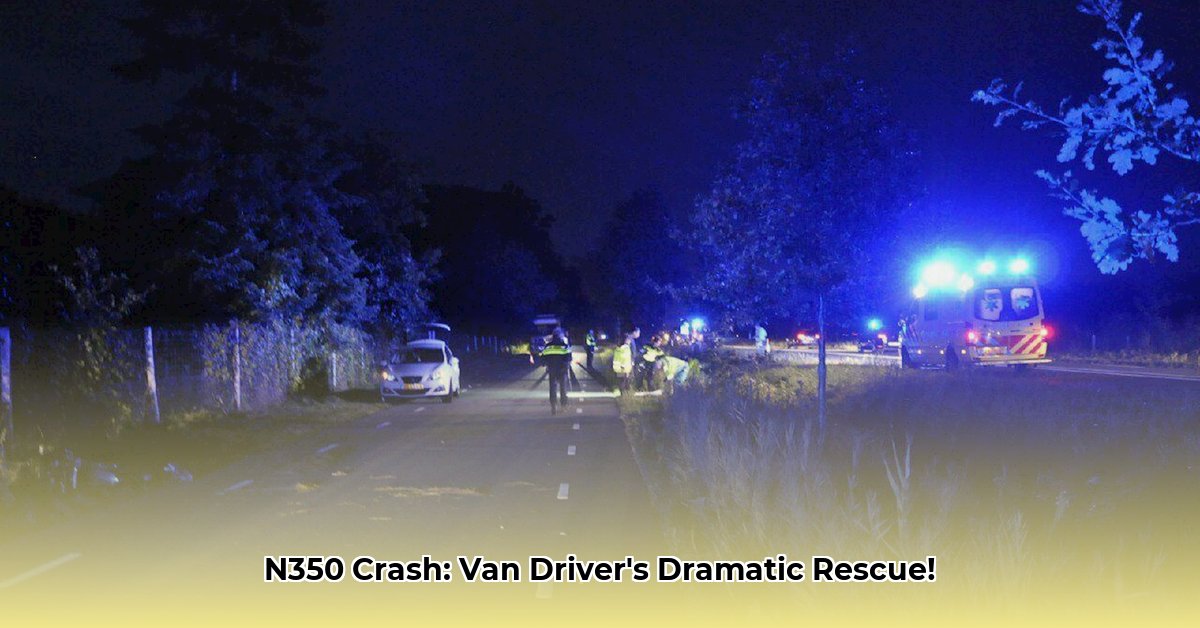
A serious collision between a bakkie and a truck on the N350 near Wierden on Tuesday, 30 June 2024, at approximately 10:35 AM, left the van driver critically injured and resulted in significant traffic delays. The impact of the accident was severe, leaving the van extensively damaged. Emergency services responded swiftly, but the gravity of the situation underscored the inherent risks on this busy roadway.
The emergency response was rapid, demonstrating the efficiency of local services. Firefighters worked diligently to extricate the trapped driver from the wreckage, while paramedics provided immediate medical attention. Given the driver's critical condition, a medical helicopter airlifted him to a specialist trauma unit in Enschede for advanced treatment. The speed and professionalism of the emergency services contrasted sharply with the devastation at the scene. However, the incident highlights the need for ongoing improvements in infrastructure and driver training to reduce the likelihood of such occurrences. What lessons can we learn from this incident to improve the safety of our roads?
The accident caused major traffic congestion for hours, with significant delays affecting commuters travelling along the N350. The road closures necessary for emergency response and accident investigation resulted in kilometres-long traffic jams. This disruption extended beyond individual inconvenience, impacting the local economy, particularly businesses relying on timely deliveries and the movement of goods. How significant was the economic cost of these disruptions, and what steps can be taken to mitigate future similar economic losses?
An investigation into the cause of the collision is currently underway. Authorities are exploring several possibilities, including driver error (such as distracted driving or dangerous maneuvers), mechanical failure (like brake failure or tyre blowouts), and even the road's condition itself (questions around visibility and surface quality). The investigation team is meticulously examining the wreckage, analyzing witness statements, and reviewing traffic camera footage. A thorough understanding of the contributing factors is crucial not just for assigning responsibility but also for implementing effective preventative measures. Which contributing factors are most likely to have played a role in this accident?
The Ongeluk N350 serves as a stark reminder of the ongoing need for safer roads, and this isn't unique to the N350; many similar challenges exist on South African roads. A comprehensive review of the N350's design and safety features is necessary, including a review of speed limits, signage adequacy, road markings, and lighting. Improvements such as better lighting and improved road markings could significantly enhance driver visibility, particularly during nighttime or inclement weather conditions. What specific design flaws contributed to the accident, and how can they be addressed?
Driver training and education play a crucial role. The effectiveness of current driver training programs needs to be critically evaluated, ensuring drivers possess the skills for navigating busy highways and practicing defensive driving techniques. Enhanced emphasis on hazard perception and risk management during driver training could significantly improve safety. Could more rigorous testing and retraining positively impact driver behaviour?
Short-term improvements include enhanced emergency response coordination through improved communication protocols, efficient dispatch systems, and well-maintained equipment. Clearer communication of road closures and better-placed detour signage are crucial for effective traffic management during accidents. What measures should be introduced to improve the immediate response to road accidents?
Long-term implications require a collaborative effort involving government agencies, road authorities, and the public. This includes potential redesigns of road sections, increased investment in better infrastructure, and the launch of effective driver awareness campaigns. Stricter enforcement of traffic laws complements these efforts. This comprehensive strategy is essential for creating a safer road environment for all.
The Ongeluk N350 is a sobering reminder of the fragility of life and underscores the importance of road safety. The lessons learned from this incident must translate into meaningful action, preventing future tragedies. A collaborative approach is required to ensure accountability, improve infrastructure, and strengthen driver education. The lives of road users depend on it.
Key Takeaways:
- The N350 accident highlights the need for a multi-faceted approach to road safety.
- Immediate improvements in emergency response and traffic management are critical.
- Long-term solutions should focus on infrastructure improvements, driver education, and law enforcement.
- A collaborative approach between government, road authorities, and the public is essential.